
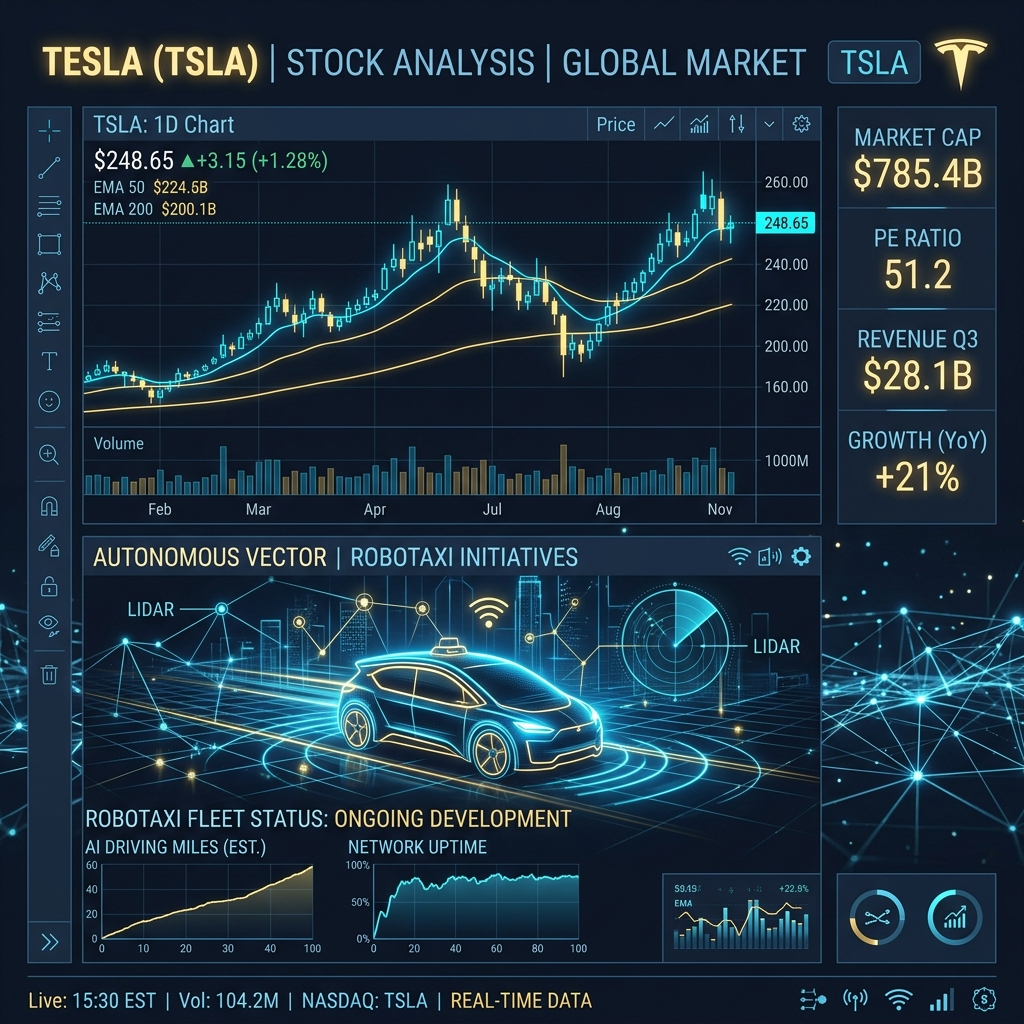
Analyzing TSLA Stock requires shifting core focus from traditional automotive manufacturing unit deliveries toward high-margin energy storage Megapacks, Full Self-Driving (FSD) software licensing, and artificial intelligence hardware. Tesla (NASDAQ: TSLA) is rapidly evolving into a global AI, robotics, and energy infrastructure powerhouse. Institutional investors evaluating TSLA stock in 2026 are paying close attention to operational margin expansion driven by non-auto revenues.
1. Megapack Energy Storage Margins Surge Past Auto Delivery Growth
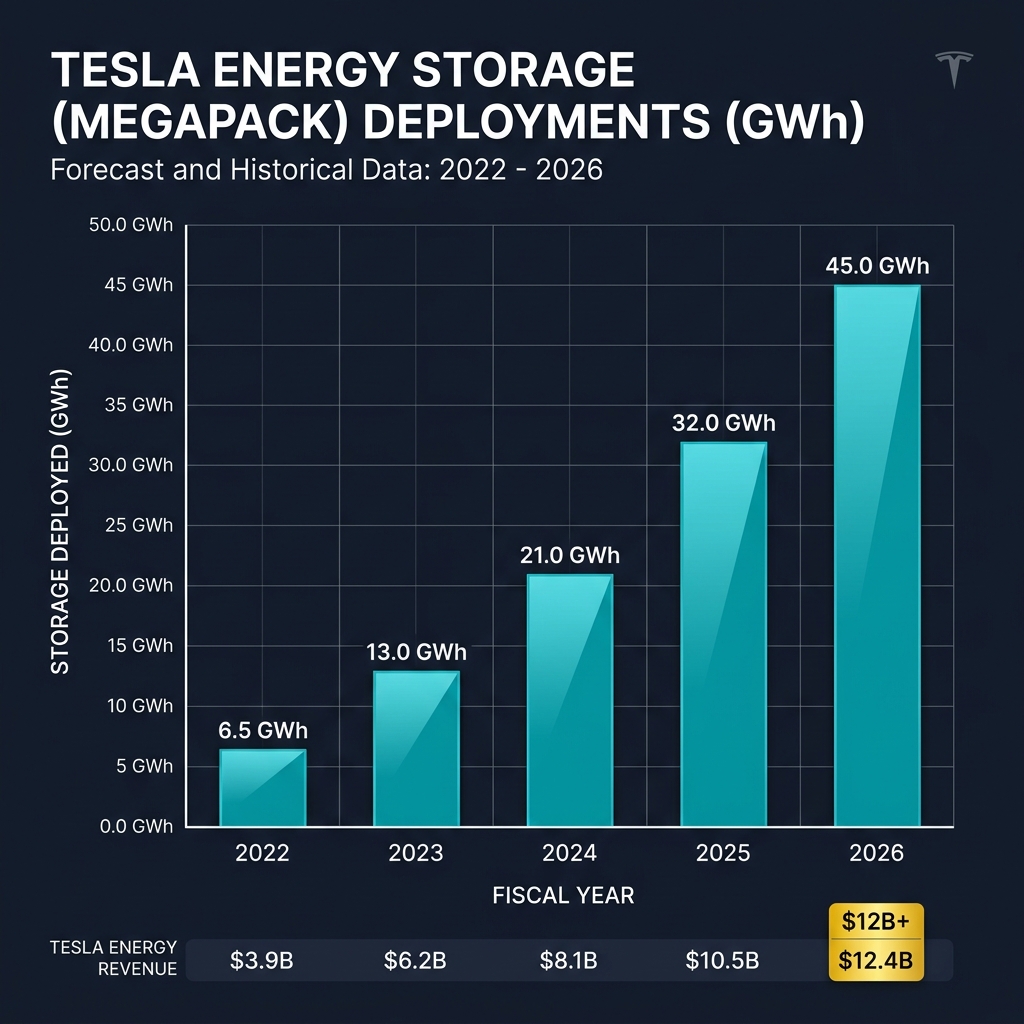
First and foremost, Tesla Energy storage deployments represent Tesla’s fastest-growing business segment. Commercial utilities, solar developers, and AI data centers globally are installing Tesla Megapacks at an extraordinary rate. Unlike electric vehicles, utility-scale energy storage operates with higher gross margins and long-term recurring maintenance contracts.
Production scaling at the Lathrop, California Megafactory and expansion into international manufacturing hubs have propelled storage deployments from 6.5 GWh in 2022 to over 45.0 GWh projected for 2026. This exponential curve provides Tesla with a multi-billion dollar recurring revenue moat that insulates total earnings from EV price fluctuations.
2. FSD v13 Unlocks Autonomous Robotaxi Network Monetization
Secondly, the commercial launch of Tesla’s Cybercab and autonomous Robotaxi fleet marks a pivotal transition toward Transportation-as-a-Service (TaaS). Powered by end-to-end neural networks in Full Self-Driving (FSD) v13, Tesla’s real-world fleet data collection exceeds billions of miles, establishing an unassailable data moat over competitors relying on localized high-definition mapping.
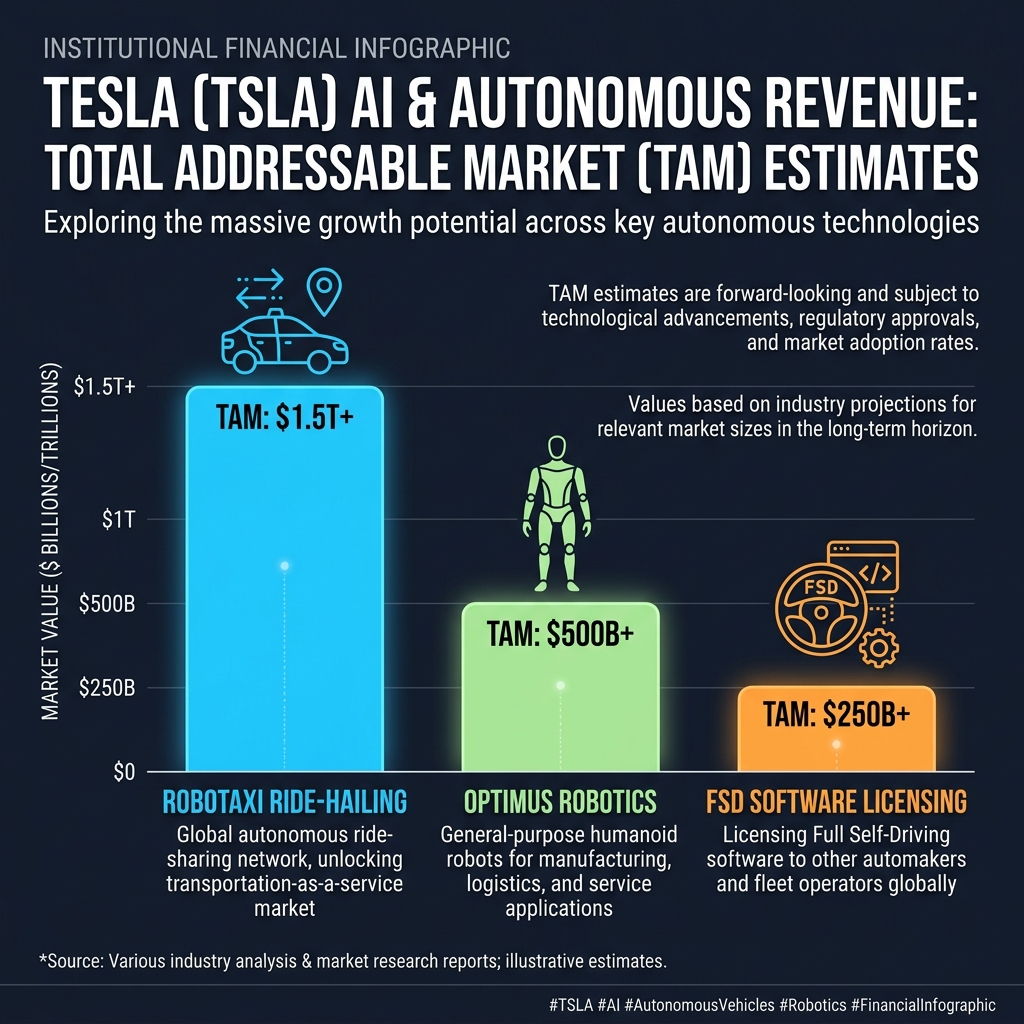
From an equity valuation standpoint, licensing FSD software to legacy automakers and capturing ride-hailing commission fees generates high-margin SaaS revenue. Analysts estimate that capturing even a fraction of the global autonomous mobility market unlocks over $1.5 Trillion in Total Addressable Market (TAM) value over the coming decade.
3. Next-Gen EV Platform & Optimus Humanoid Robotics Scaling
Beyond mobility and storage, Tesla’s unboxed manufacturing process and next-generation compact EV platform aim to dramatically lower vehicle production costs below $20,000. Low-cost volume manufacturing unlocks mass market EV adoption across emerging markets in Latin America, Asia, and Europe.
Simultaneously, the Optimus humanoid robot initiative has transitioned from prototype demonstration into internal factory deployment. As Optimus performs repetitive assembly tasks within Tesla Gigafactories, operational labor efficiency increases while building the foundation for commercial humanoid robotics sales in industrial logistics.
Investors analyzing tech and EV growth stocks should also check out our deep dives on Eli Lilly (LLY Stock) Growth Analysis and Palantir (PLTR Stock) Enterprise AI Leadership.
💡 Further Reading for Investors:
Want to master growth stock valuations and competitive moats?
Check out
The Intelligent Investor by Benjamin Graham – https://amzn.to/4huFG8x
One Up On Wall Street by Peter Lynch – https://amzn.to/4huFLJn
The Psychology of Money by Morgan Housel – https://amzn.to/4fWa9d2
Principles for Navigating Big Debt Crises by Ray Dalio – https://amzn.to/4fZGTCl


Pingback: META Stock: Why AI & Advantage+ Ad Sales Will Surge
Pingback: MSFT Stock: Why Azure AI & Copilot Will Surge in 2026
Pingback: GOOGL Stock: Why Google Cloud & Gemini AI Will Surge
Pingback: AVGO Stock: Why Custom AI Chips & VMware Will Surge
Pingback: AMZN Stock: Why AWS & Ad Sales Will Surge in 2026
Pingback: AAPL Stock: Why Apple AI & Services Will Surge in 2026
Pingback: NVDA Stock: Why Blackwell Chips & AI Will Surge in 2026