
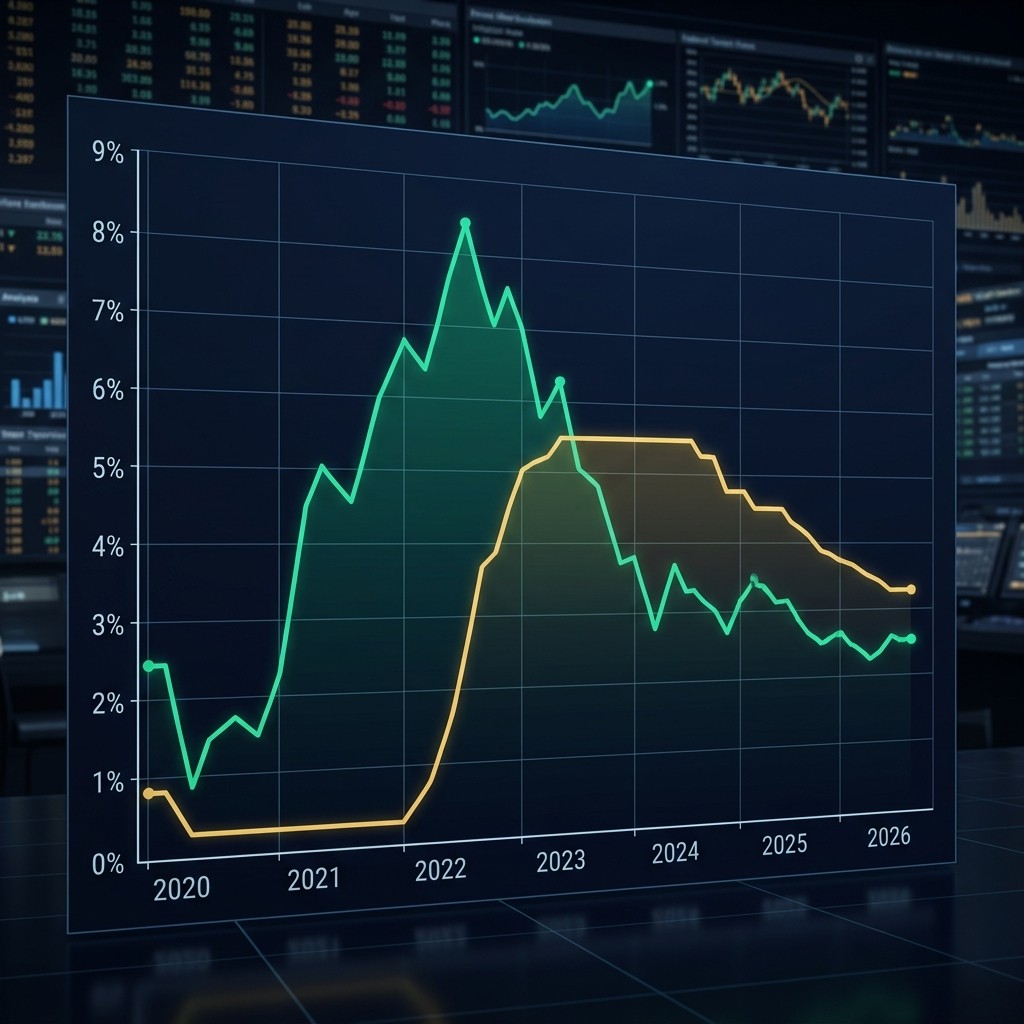
US inflation is going to dictate the stock market in 2026. It is that simple.
When inflation stays sticky, things get expensive for companies. Their profit margins shrink because raw materials and employee wages cost more. So, where does the smart money go when this happens? It hides.
Big institutional investors move their capital into safe, recession-proof businesses. These are companies that sell things you and I have to buy, no matter what the economy is doing. Growth stocks and risky tech companies usually take a massive hit during these cycles. If you want to protect your portfolio and keep earning passive income, you need to look at battle-tested defensive leaders.
Here is a simple breakdown of how inflation is changing the market right now, and the top three stocks you can buy to protect your money in 2026.
Macro Breakdown: How US Inflation Actually Impacts Your Stocks
Navigating an inflationary market is all about understanding who has the power to raise prices.
When inflation stays high, the Federal Reserve is forced to keep interest rates high. High interest rates are poison for speculative growth companies that rely on borrowing cheap money. That is why you see their stock prices crash.
But some companies actually survive—and even thrive—during these periods. They usually have three things in common:
Fortress Balance Sheets: They don’t have massive amounts of high-interest debt.
Pricing Power: They can raise the prices of their products, and people still buy them.
Defensive Cash Flow: They sell absolute essentials (like groceries or medicine).
Top 3 Recession-Proof Stocks to Hedge US Inflation in 2026
If you want to preserve your capital and get paid a steady dividend while the rest of the market panics, these three market leaders are where you should look.
1. Procter & Gamble Co. (NYSE: PG) – Yield: 2.5% Procter & Gamble is the king of consumer staples. They own the brands you use every single day: Tide, Pampers, Gillette, Crest.
Here is the thing: even if there is a severe recession, you are not going to stop brushing your teeth or washing your clothes. P&G knows this. They have incredible pricing power. When inflation pushes their manufacturing costs up, they just raise the price of a bottle of Tide, and consumers still buy it.
They have increased their dividend payout to shareholders for 68 years in a row. With massive free cash flow, PG stock is like a fortress for your money.
2. Walmart Inc. (NYSE: WMT) – Yield: 1.3% Walmart is the biggest retail grocer in the world, and they actually benefit when the economy gets tough.
When inflation squeezes the middle class, people stop shopping at expensive, premium grocery stores. They trade down. They go to Walmart to save money. This means Walmart gets more foot traffic during a recession.
Because they are so massive, they can bully their suppliers into giving them the cheapest wholesale prices, protecting their own profit margins. It is a brilliant, inflation-proof business model.cting corporate profit margins against cost inflation. With 51 consecutive years of dividend growth and accelerating high-margin advertising and automated fulfillment revenue streams, WMT stock remains a premier inflation hedge.
You might also like – https://bosslevelfinance.com/fed-rate-cuts-2026-high-yield-stocks-boom
3. Johnson & Johnson (NYSE: JNJ) – Yield: 3.2% Johnson & Johnson is a monster in the healthcare space.
Healthcare is not an optional expense. If you need a life-saving medical device or a critical pharmaceutical drug, you are going to buy it, regardless of what the US inflation rate is doing.
JNJ is so financially stable that it holds a AAA credit rating. To put that in perspective, their credit rating is considered safer than the US Government itself. With 62 years of consecutive dividend growth and a very healthy 3.2% yield, this stock pays you to wait out the economic storm.
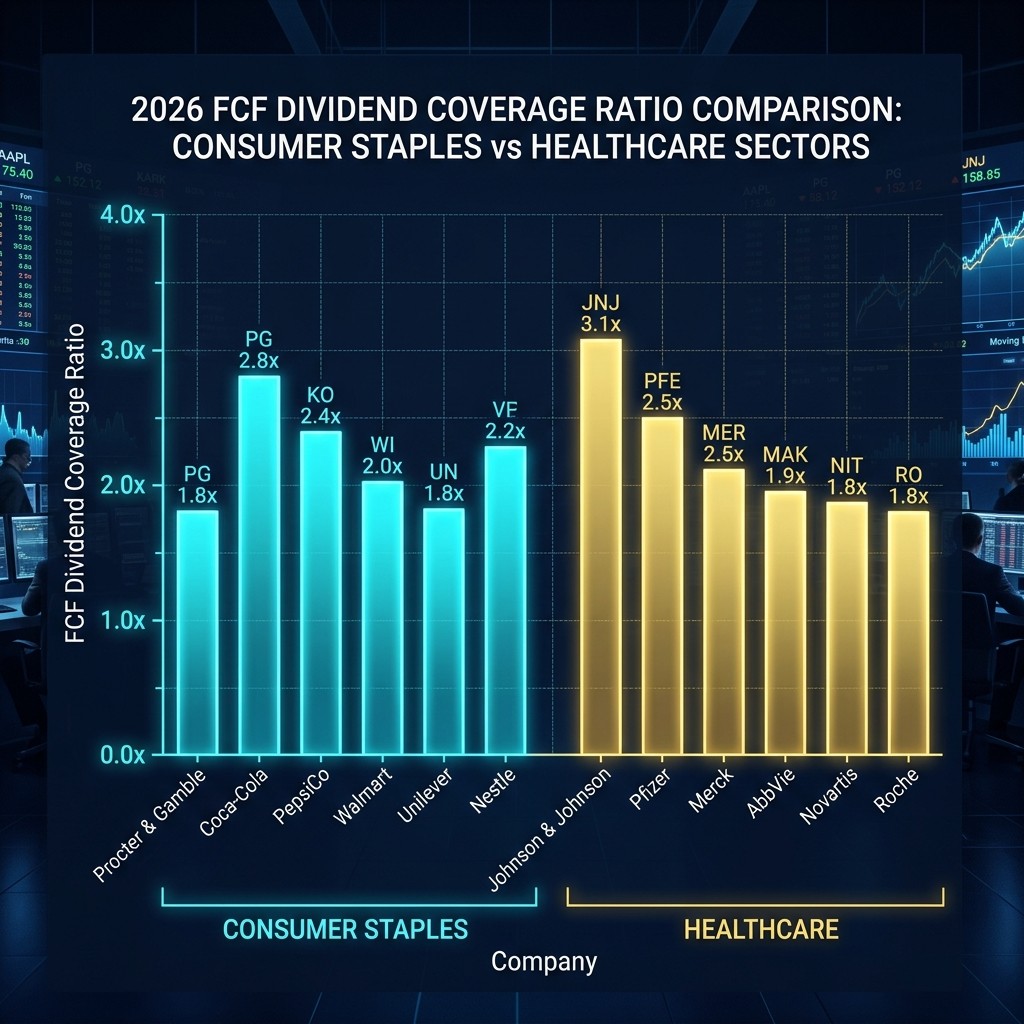
Comparative Financial Analysis: Top 3 Inflation-Resistant Equities
The comparative table below details key balance sheet strength and dividend safety metrics for Procter & Gamble, Walmart, and Johnson & Johnson:
| Stock Ticker | Sector | Current Yield | Payout Ratio (FCF) | Forward P/E Multiple | Dividend Growth Streak |
|---|---|---|---|---|---|
| Procter & Gamble (NYSE: PG) | Consumer Staples | 2.5% | 63% | 24.1x Forward P/E | 68 Consecutive Years |
| Walmart Inc. (NYSE: WMT) | Value Retail / Grocery | 1.3% | 45% | 27.5x Forward P/E | 51 Consecutive Years |
| Johnson & Johnson (NYSE: JNJ) | Pharmaceuticals & MedTech | 3.2% | 62% | 15.4x Forward P/E | 62 Consecutive Years |
Final Thoughts for 2026
Inflation cycles are scary if you are heavily invested in speculative assets. But if you park your capital in high-quality defensive businesses like Procter & Gamble, Walmart, and Johnson & Johnson, you protect your purchasing power and collect a reliable paycheck while you wait for the economy to recover.


Pingback: Why Berkshire Hathaway Is Trending: 3 Proven Takeaways From Q2 2026 Earnings - Boss Level Finance
Pingback: Volkswagen Outsold Tesla: What Smart Investors Do Now
Pingback: 3 Proven Reasons gold price Stocks Will Skyrocket in 2026
Pingback: 3 Proven Reasons small cap stocks Will Skyrocket in 2026