

The UK’s largest retail bank (Lloyds Banking) serves 30 million customers and pays steady dividends. However, recent motor finance controversies created headwinds. Trading at $4.52 with a 3.95% dividend yield, this stock offers value potential. Yet understanding the business fundamentals remains critical before investing.
Moreover, digital transformation and AI deployment are reshaping operations. Additionally, strong mortgage growth balances regulatory challenges. Therefore, let’s analyze whether this banking stock deserves a spot in your portfolio today.

Understanding Lloyds Banking Business
This financial institution operates as the UK’s largest retail and commercial bank. Specifically, it serves approximately 30 million customers nationwide. Furthermore, the bank manages 20 million mobile app users with 99.97% digital uptime.
The business model focuses on three main segments. First, retail banking provides mortgages, credit cards, and personal loans. Second, commercial banking serves small businesses and corporations. Third, insurance and pensions round out the offerings.
Additionally, mortgages represent 66% of the total loan portfolio. This concentration creates stable, long-term revenue streams. Moreover, the bank maintains strong market leadership across key product categories.

How Does Lloyds Banking Make Money?
Net interest income drives most profits. Essentially, the bank earns from the spread between deposit rates and loan rates. Currently, the net interest margin stands at 3.06%.
Furthermore, the structural hedge portfolio protects against rate volatility. This £244 billion portfolio generates income averaging 2.2% rates. Therefore, even during rate cuts, income remains relatively stable.
Additionally, diversification efforts are paying off. Other operating income grew 9% through transportation finance, protection products, and cards. Consequently, rate dependency decreased significantly since 2022.
Financial Performance of Lloyds Banking: Strong Fundamentals Despite Headwinds
The third quarter 2025 results showed mixed signals. On one hand, net income grew 7% to £4.64 billion. Moreover, year-to-date net income increased 6% to £13.56 billion.
However, pre-tax profit fell 36% to £1.17 billion due to provisions. Specifically, an £800 million motor finance charge hit Q3 results hard. Nevertheless, this number still beat analyst expectations of £1.04 billion.
Furthermore, operating costs increased 37% to £3.18 billion. This jump included £912 million in remediation costs. Yet cost discipline remains strong elsewhere, with underlying costs up only 3% year-to-date.
Dividend Incomeof Lloyds Banking: Reliable Payments for Long-Term Investors
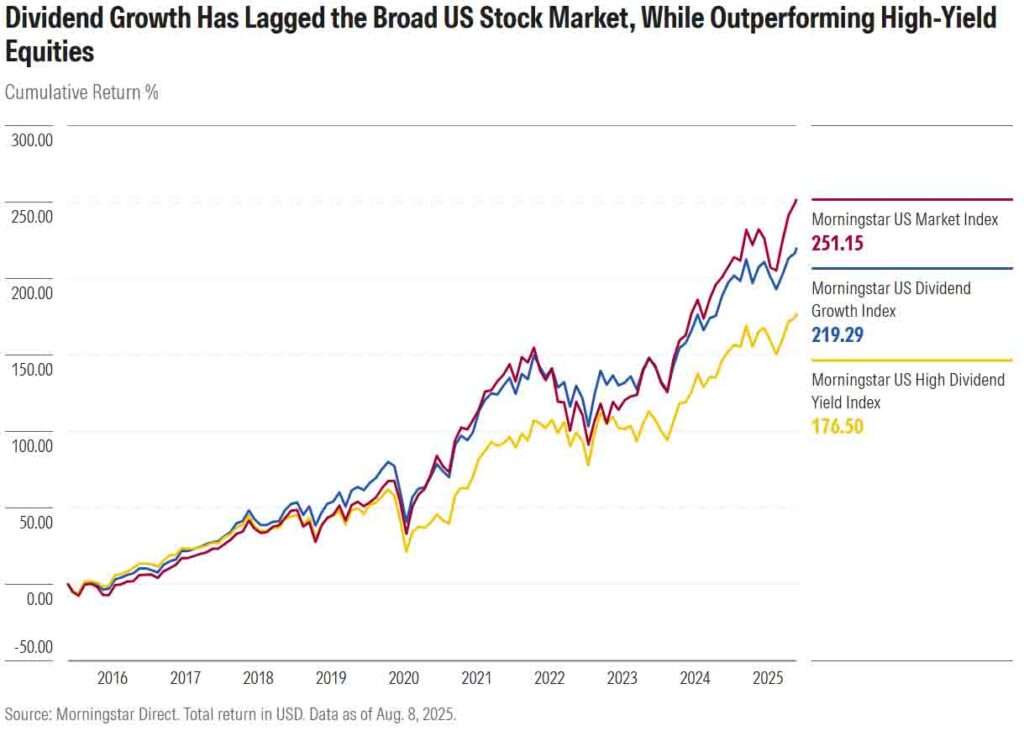
The bank pays semi-annual dividends totaling $0.17 annually. This creates a dividend yield between 3.85% and 3.95%. Moreover, the payout ratio stands at just 30%, indicating sustainability.
Additionally, dividend growth averaged 30% over recent years. The last ex-dividend date was August 4, 2025. Furthermore, management maintains progressive dividend policies going forward.
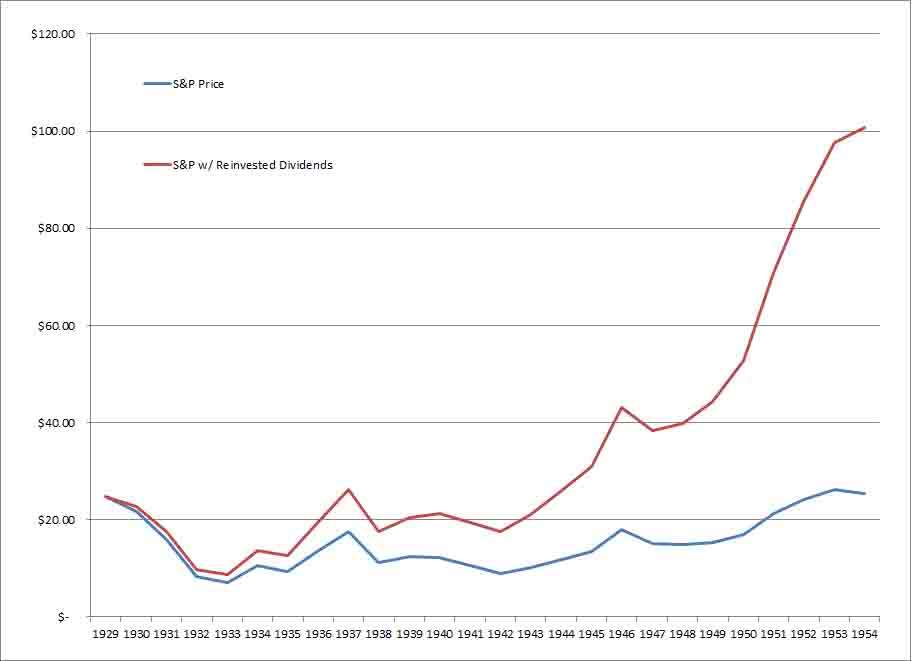
For income investors seeking stable returns, this presents opportunities. However, always diversify across multiple holdings. Moreover, consider total return rather than yield alone when building portfolios.
Balance Sheet Strength of Lloyds Banking: Capital Ratios Above Requirements
The Common Equity Tier 1 ratio reached 13.8% in Q3. This exceeds regulatory minimums significantly. Furthermore, management targets paying down to approximately 13% over time.
Additionally, tangible net asset value per share grew to 55.0p. This represents a 2.6p increase year-to-date. Moreover, strong capital generation of 110 basis points supports growth.
Asset quality remains excellent with impairments at 18 basis points. This low charge reflects stable economic conditions. Furthermore, improved economic scenarios reduced provisioning needs from earlier guidance.
Motor Finance Controversy: Understanding the Impact
The Financial Conduct Authority launched an investigation into motor finance practices. Specifically, regulators examine commission arrangements on car loans. Consequently, the bank set aside £1.95 billion total for potential costs.
Moreover, October’s FCA consultation expanded the scope significantly. This triggered an additional £800 million provision in Q3. Therefore, profits took a substantial hit during the quarter.
However, management emphasizes this doesn’t affect underlying business strength. Additionally, excluding motor provisions, return on tangible equity reaches 14.6%. Furthermore, the core banking operations continue performing well.
Will This Issue Impact Long-Term Value?
The motor finance situation creates near-term uncertainty. However, experienced investors know regulatory issues eventually resolve. Moreover, provisions taken now reduce future surprise charges.
Additionally, the bank maintains strong capital buffers for absorption. Furthermore, other UK banks face similar investigations. Therefore, this represents an industry-wide challenge rather than company-specific weakness.
Looking forward, management raised underlying profitability guidance. Specifically, return on tangible equity guidance increased to approximately 14%. This confidence suggests contained impact expectations going forward.
Competitive Position of Lloyds Banking: Leading Market Share Under Pressure
Lloyds Banking maintains leading market share across retail products. However, digital challengers are gaining ground rapidly. For instance, Revolut now serves 50 million users globally.
Similarly, Monzo nearly doubled to 10 million UK customers by 2024. Additionally, Starling Bank maintains high growth rates. These mobile-first competitors offer superior customer satisfaction scores.
Furthermore, traditional rivals remain formidable. HSBC commands overall market leadership with international scale. Meanwhile, Barclays and NatWest compete aggressively for second position.

Digital Transformation: Fighting Back Against Challengers
Management deployed over 800 AI models across operations. This technology integration improves efficiency and customer experience. Moreover, new digital mortgage journeys attract younger demographics.
Additionally, the mobile app serves 20 million active users. Furthermore, AI-powered protection products enhance mortgage offerings. These innovations help compete with digital-only banks effectively.
Since 2021, digital investments delivered £1.5 billion in cost savings. Moreover, the cost-to-income ratio remains below 50%. Therefore, technology spending generates measurable returns while maintaining efficiency.
Valuation Analysis: Is the Stock Price Attractive?
The current PE ratio ranges between 11.49 to 14.7x depending on calculation. However, the forward PE ratio stands at just 9.23x. This suggests expectations for earnings growth ahead.
Moreover, analysts rate the stock between “buy” and “hold” generally. The consensus price target implies approximately 6-8% upside potential. Additionally, year-to-date share price appreciation reached impressive 38%.
Furthermore, the stock trades at $4.52 with a 52-week range of $2.56 to $4.69. Therefore, current prices sit near the upper range. However, improved guidance supports higher valuations going forward.
Comparing Value Against UK Banking Peers
Relative to competitors, the valuation appears somewhat expensive. Specifically, the PE ratio exceeds peers like Barclays (9.1x) and NatWest (9.5x). However, stronger mortgage growth justifies premium multiples.
Additionally, return on tangible equity targets exceed 15% by 2026. This profitability outlook surpasses many competitors. Moreover, dividend sustainability and growth potential add value.
For investors seeking best UK banking stocks, comparison shopping makes sense. However, market leadership and digital progress create competitive advantages. Therefore, moderate premium valuations seem reasonable currently.
Investment Strategy: Who Should Consider This Stock?
Income-focused investors may find the dividend yield attractive. Additionally, the 30% payout ratio ensures sustainability. Moreover, progressive dividend policies support growing payments over time.
Furthermore, value investors might appreciate reasonable PE ratios. Especially considering strong capital generation and profitability targets. However, motor finance uncertainties require patience and risk tolerance.
Conservative investors should weigh regulatory risks carefully. Additionally, digital competition threatens long-term market share. Moreover, UK economic exposure concentrates geographic risk significantly.
Building Wealth Through UK Bank Investments
Diversification remains essential for successful portfolios. Therefore, never concentrate too heavily in single stocks or sectors. Moreover, consider international exposure beyond UK-only holdings.
Additionally, regular portfolio rebalancing maintains target allocations. Furthermore, reinvesting dividends accelerates compound growth over decades. These strategies help investors save money and build wealth systematically.
For those wondering how to invest in stable dividend stocks, research thoroughly first. Moreover, understand business models before committing capital. Additionally, monitor regulatory developments affecting banking sector performance.
Key Risks Every Investor Should Understand
The motor finance investigation creates ongoing uncertainty. Additionally, potential compensation costs could require further provisions. Moreover, regulatory outcomes remain unpredictable currently.
Furthermore, digital challengers continue eroding market share gradually. Traditional banks face pressure maintaining customer loyalty. Additionally, younger generations prefer mobile-first banking experiences increasingly.
Economic conditions in the UK create cyclical risks. Specifically, mortgage book performance depends on property market health. Moreover, consumer loan quality deteriorates during recessions significantly.
Interest Rate Sensitivity: Managing Through Cycles
Despite structural hedges, rate changes impact profitability significantly. Lower rates compress net interest margins over time. However, the diversification strategy reduces this dependency gradually.
Additionally, competition for deposits intensifies during rising rate environments. Customers actively seek higher yields elsewhere. Therefore, deposit costs increase faster than loan rate adjustments sometimes.
Nevertheless, management demonstrated resilience navigating recent volatility. Moreover, guidance improvements indicate confidence managing ongoing cycles. Furthermore, strong capital buffers provide protection against unexpected shocks.
Future Outlook: Management Guidance Through 2026
Management maintains confident outlook despite motor provisions. Specifically, 2025 net interest income guidance increased to approximately £13.6 billion. Moreover, return on tangible equity targets approximately 14% for 2025.
Looking toward 2026, ambitious targets set high expectations. First, operating costs target below 50% cost-to-income ratio. Second, asset quality expected around 25 basis points. Third, return on tangible equity targeting above 15%.
Additionally, capital generation guidance exceeds 200 basis points annually. Furthermore, CET1 ratio targets approximately 13% steady state. These metrics indicate strong operational momentum continuing forward.
Digital Innovation Driving Next Growth Phase
Technology investments position the bank competitively going forward. Moreover, AI capabilities enhance both efficiency and customer experience. Additionally, new product launches leverage franchise strength effectively.
Furthermore, partnerships explore cutting-edge applications. These collaborations keep pace with fintech innovation rapidly. Therefore, traditional banking advantages combine with digital capabilities increasingly.
For investors seeking growth opportunities in UK banks, this transformation matters. Moreover, successful execution could drive sustainable competitive advantages. However, execution risks remain inherent in large-scale technology projects.
Final Thoughts: Weighing the Investment Decision
This UK banking leader offers compelling income and value characteristics. Moreover, strong market positions and profitability support long-term prospects. Additionally, digital transformation addresses competitive threats proactively.
However, motor finance uncertainties cloud near-term outlook. Furthermore, premium valuations relative to peers reduce margin of safety. Additionally, UK economic concentration creates geographic risk exposure.
For diversified portfolios seeking dividend income, moderate positions make sense. Moreover, patient investors can tolerate regulatory uncertainty potentially. However, aggressive growth seekers might find better opportunities elsewhere currently.
Ultimately, successful investing requires understanding both opportunities and risks thoroughly. Therefore, conduct extensive research before making any investment decisions. Moreover, consult qualified financial advisors regarding your specific situation always.
👉 You Might also find this post insightful – https://bosslevelfinance.com/bac-value-surge-top-reasons-investors-are-buying
👉 Create a Vested Account today to start investing in US Stocks – https://refer.vestedfinance.com/RUKU88007
Disclaimer: This analysis is for educational purposes only. We do not encourage or recommend buying, selling, or holding any securities. Stock markets are subject to change and involve substantial risk. Always conduct your own due diligence before making investment decisions. Consult with qualified financial advisors regarding your specific situation.
💡 Further Reading for Investors:
Want to master growth stock valuations and competitive moats?
Check out
The Intelligent Investor by Benjamin Graham – https://amzn.to/4huFG8x
One Up On Wall Street by Peter Lynch – https://amzn.to/4huFLJn
The Psychology of Money by Morgan Housel – https://amzn.to/4fWa9d2
Principles for Navigating Big Debt Crises by Ray Dalio – https://amzn.to/4fZGTCl
Sources
- https://www.lloydsbankinggroup.com/who-we-are/our-strategy.html
- https://www.lloydsbankinggroup.com/assets/pdfs/investors/financial-performance/lloyds-banking-group-plc/2025/q3/2025-lbg-q3-fi-presentation.pdf
- https://www.hl.co.uk/shares/shares-search-results/l/lloyds-banking-group-plc-ordinary-10p
- https://www.marketbeat.com/instant-alerts/lloyds-banking-group-nyselyg-posts-earnings-results-misses-expectations-by-006-eps-2025-10-23/
- https://www.ainvest.com/news/lloyds-banking-group-strategic-evolution-earnings-resilience-2025-blueprint-long-term-shareholder-2507/
- https://finance.yahoo.com/news/lloyds-banking-group-digital-transformation-132800482.html
- https://global.morningstar.com/en-gb/stocks/lloyds-earnings-good-underlying-performance-lifts-guidance-car-finance-investigation-distracts
- https://www.wsj.com/finance/banking/lloyds-banking-group-beats-views-despite-car-loan-provision-hit-77a7a2f5
- https://stockanalysis.com/stocks/lyg/
- https://stockanalysis.com/stocks/lyg/dividend/
- https://www.statista.com/topics/6033/leading-uk-banks/
- https://simplywall.st/stocks/gb/banks/lse-lloy/lloyds-banking-group-shares/valuation
- https://www.ii.co.uk/analysis-commentary/lloyds-bank-makes-more-expected-despite-q3-profit-drop-ii537019
- https://www.marketscreener.com/news/lloyds-banking-0-2mb-report-presentation-transcript-pdf-2025-lbg-q3-presentation-transcript-ce7d5dd9d08bf022
- https://www.lloydsbankinggroup.com/assets/pdfs/investors/financial-performance/lloyds-banking-group-plc/2025/q1/2025-lbg-q1-presentation.pdf
- https://www.lloydsbankinggroup.com/who-we-are/our-strategy.html
- https://www.fdic.gov/resolutions/lloyds-banking-group-2025-165d-resolution-plan-public-section.pdf
- https://www.ainvest.com/news/lloyds-banking-group-strategic-evolution-earnings-resilience-2025-blueprint-long-term-shareholder-2507/
- https://www.hl.co.uk/shares/shares-search-results/l/lloyds-banking-group-plc-ordinary-10p
- https://www.marketbeat.com/instant-alerts/lloyds-banking-group-nyselyg-posts-earnings-results-misses-expectations-by-006-eps-2025-10-23/
- https://matrixbcg.com/blogs/growth-strategy/lloydsbankinggroup
- https://www.lloydsbankinggroup.com/assets/pdfs/investors/financial-performance/lloyds-banking-group-plc/2025/q3/2025-lbg-q3-fi-presentation.pdf
- https://blinkx.in/insights/results/lloyds-enterprises-ltd-quarterly-result
- https://finance.yahoo.com/news/lloyds-banking-group-digital-transformation-132800482.html
- https://global.morningstar.com/en-gb/stocks/lloyds-earnings-good-underlying-performance-lifts-guidance-car-finance-investigation-distracts
- https://www.wsj.com/finance/banking/lloyds-banking-group-beats-views-despite-car-loan-provision-hit-77a7a2f5
- https://www.businesswire.com/news/home/20250923079076/en/Lloyds-Banking-Group-Digital-Transformation-Analysis-Report-2025-Accelerators-Incubators-and-Innovation-Programs—ResearchAndMarkets.com
- https://stockanalysis.com/stocks/lyg/
- https://uk.finance.yahoo.com/news/lloyds-profits-bank-earnings-car-finance-ftse-064219687.html
- https://dcfmodeling.com/products/lyg-business-model-canvas
- https://markets.ft.com/data/equities/tearsheet/summary?s=LLOY%3ALSE
- https://www.ii.co.uk/analysis-commentary/lloyds-bank-makes-more-expected-despite-q3-profit-drop-ii537019
- https://www.lloydsbank.com/business/resource-centre/insight/a-new-era-of-ambition.html
- https://stockanalysis.com/stocks/lyg/dividend/
- https://www.lloydsbankinggroup.com/investors/shareholder-information.html
- https://companiesmarketcap.com/lloyds-banking-group/dividend-yield/
- https://www.wisesheets.io/pe-ratio/LLD.DE
- https://www.globenewswire.com/news-release/2024/11/22/2985877/28124/en/uk-retail-banking-competitor-benchmarking-report-2024-financial-performance-of-the-top-15-banks-lloyds-banking-group-remains-the-leading-provider.html
- https://www.digrin.com/stocks/detail/LYG/
- https://www.gurufocus.com/term/pettm/LYG
- https://www.statista.com/topics/6033/leading-uk-banks/
- https://www.marketbeat.com/stocks/NYSE/LYG/
- https://simplywall.st/stocks/gb/banks/lse-lloy/lloyds-banking-group-shares/valuation
- https://www.marketbeat.com/stocks/LON/LLOY/competitors-and-alternatives/
- https://www.morningstar.com/stocks/xnys/lyg/quote
- https://companiesmarketcap.com/lloyds-banking-group/pe-ratio/
- https://www.ig.com/en/news-and-trade-ideas/uk-banks–where-to-next-for-the-barclays–lloyds-and-natwest-sha-250624
- https://www.tipranks.com/stocks/lyg
- https://companiesmarketcap.com/inr/lloyds-banking-group/pe-ratio/
- https://www.adthena.com/market-share/uk-finance-banks/
- https://www.barchart.com/stocks/quotes/LYG