
Moreover, investing in your first IPO can feel overwhelming. However, with the right knowledge, you can make smart decisions. Furthermore, this guide will break down everything you need to know about IPO investing. Additionally, we’ll cover the mistakes to avoid and proven strategies that work.
What Exactly Is an IPO Investment and Why Should Beginners Care?
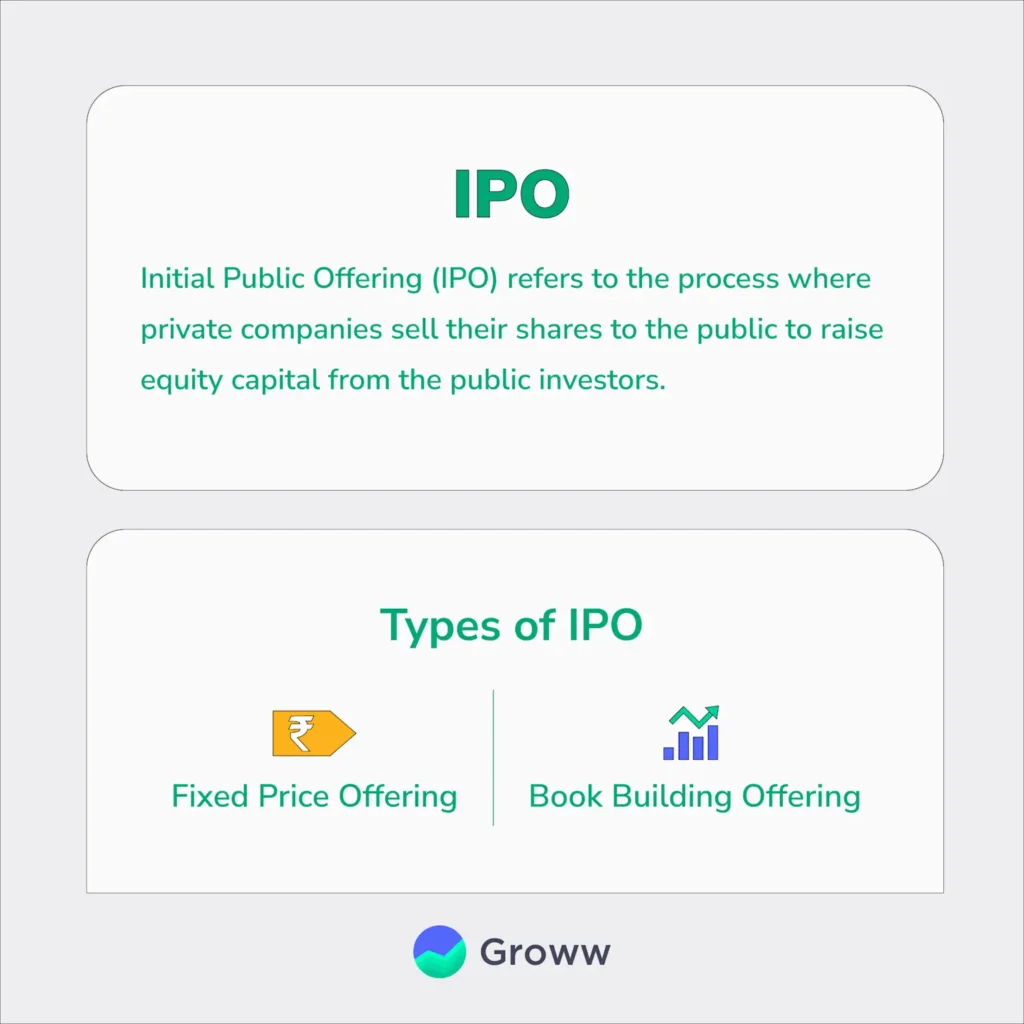
Initially, an IPO (Initial Public Offering) happens when a private company sells shares to the public for the first time. Subsequently, these shares get listed on stock exchanges like NSE or BSE. Therefore, you can buy and sell them freely.
Additionally, IPO investing offers unique opportunities. For instance, you get early access to potentially high-growth companies. Moreover, successful IPOs can deliver substantial returns. However, they also carry higher risks than established stocks.
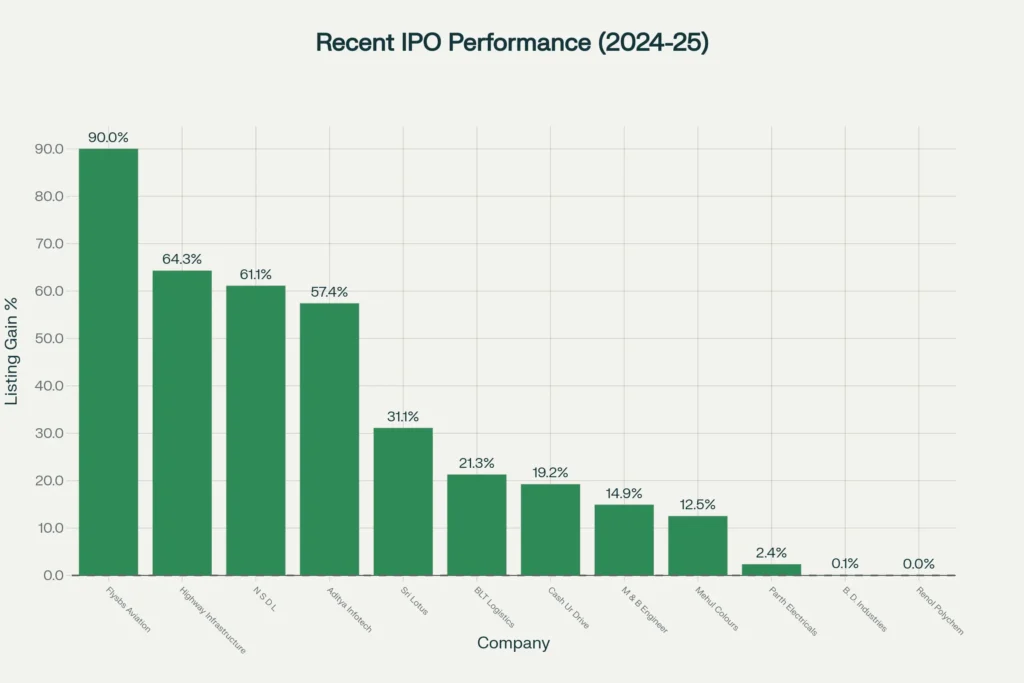
Furthermore, recent data shows interesting patterns. Specifically, about 58% of recent IPOs delivered positive listing gains. Nevertheless, the average gain varies significantly between mainboard and SME categories.
Essential Financial Analysis: The Numbers That Matter Most for IPO Beginners
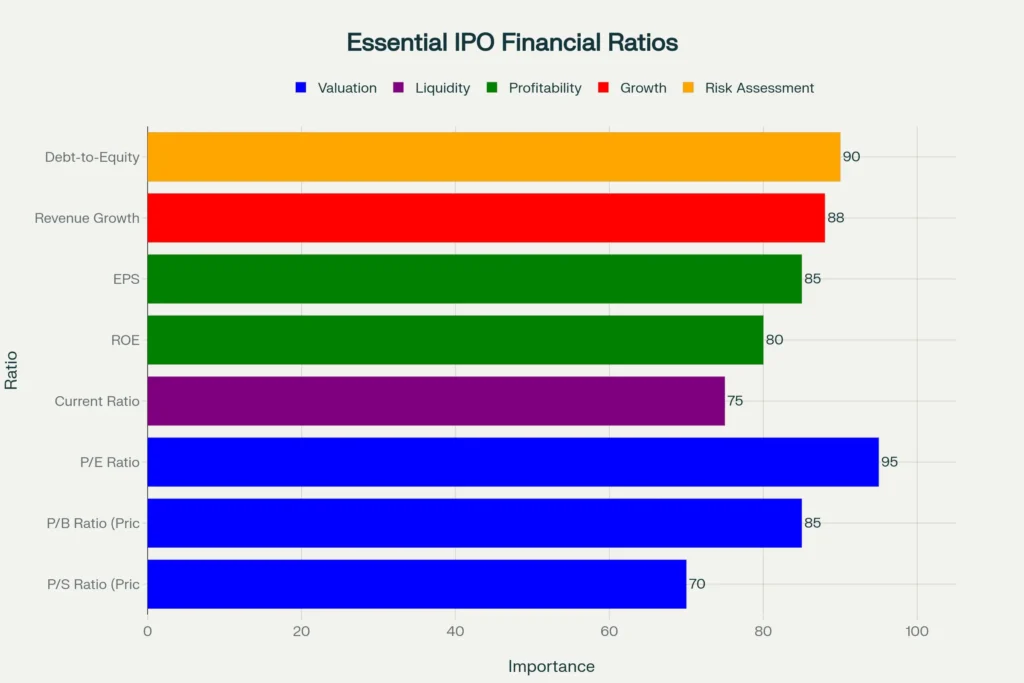
Particularly, financial analysis forms the backbone of successful IPO investing. Moreover, certain ratios deserve your immediate attention. Therefore, let’s explore the most critical ones.
Price-to-Earnings Ratio: Your First Line of Defense
Initially, the P/E ratio shows how much you pay for each rupee of company earnings. Furthermore, it helps identify overvalued or undervalued opportunities. For example, if a company has earnings of ₹10 per share and trades at ₹100, the P/E ratio is 10.
Additionally, compare P/E ratios with industry peers. Subsequently, this gives you better perspective on valuation. However, remember that high-growth companies often command premium valuations.
Debt-to-Equity Ratio: Understanding Financial Risk
Moreover, this ratio reveals how much debt a company uses compared to equity. Specifically, ratios above 2 signal potential trouble. Furthermore, high debt levels can strain cash flow and limit growth opportunities.
Nevertheless, some industries naturally operate with higher debt levels. Therefore, always compare within the same sector. Additionally, check if the company can service its debt comfortably.
Revenue Growth Rate: The Growth Story
Furthermore, consistent revenue growth indicates business momentum. Moreover, companies showing 15-20% annual growth often outperform post-IPO. However, be wary of companies with declining or volatile revenue patterns.
Smart IPO Application Process: ASBA Method Explained Simply
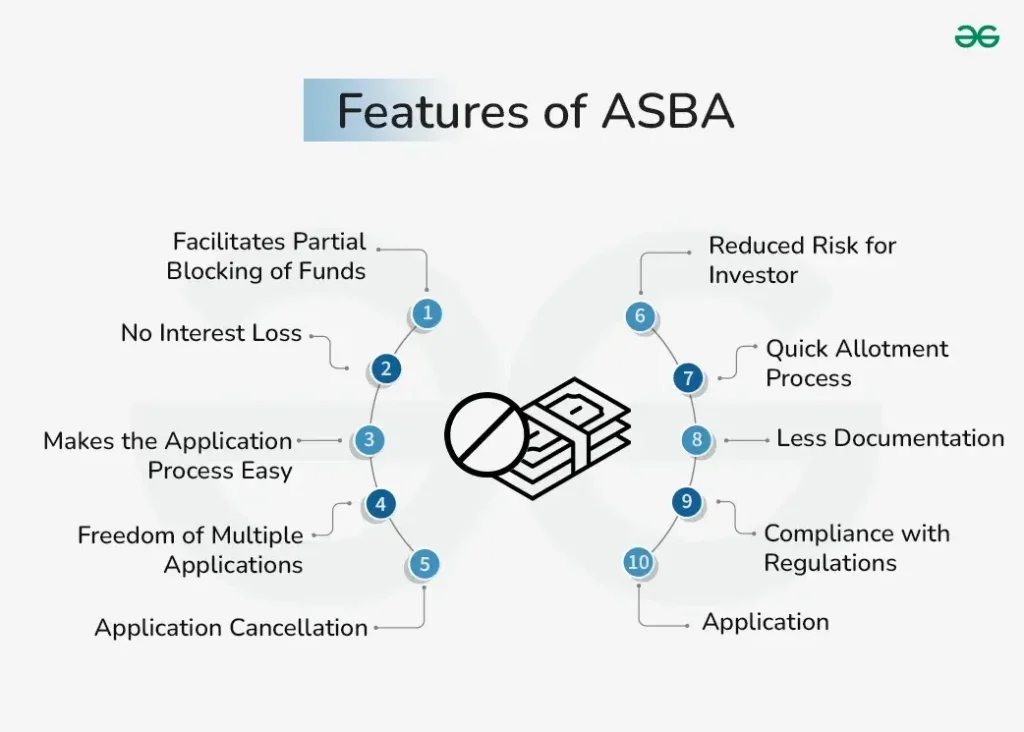
Infographic summarizing the key features of ASBA (Application Supported by Blocked Amount) in IPO investment process, highlighting benefits like partial fund blocking and reduced risk for investors geeksforgeeks
Currently, ASBA (Application Supported by Blocked Amount) is the standard method for IPO applications. Moreover, this system offers several advantages for beginners.
How ASBA Benefits You
Firstly, your money remains in your bank account until share allotment. Additionally, you continue earning interest on blocked funds. Furthermore, there’s no hassle of refund processes if you don’t get shares.
Moreover, you can apply through multiple channels. Specifically, use net banking, mobile apps, or physical forms. Additionally, most major banks support ASBA facility.
Step-by-Step Application Process
Initially, ensure you have a demat account with PAN linking. Subsequently, check your bank’s ASBA facility availability. Furthermore, decide your bid amount and category (retail/HNI).
Additionally, submit your application during the IPO window. Moreover, monitor allotment results through the registrar’s website. Finally, shares get credited to your demat account upon successful allotment.
Critical Red Flags: Warning Signs Every Beginner Must Avoid
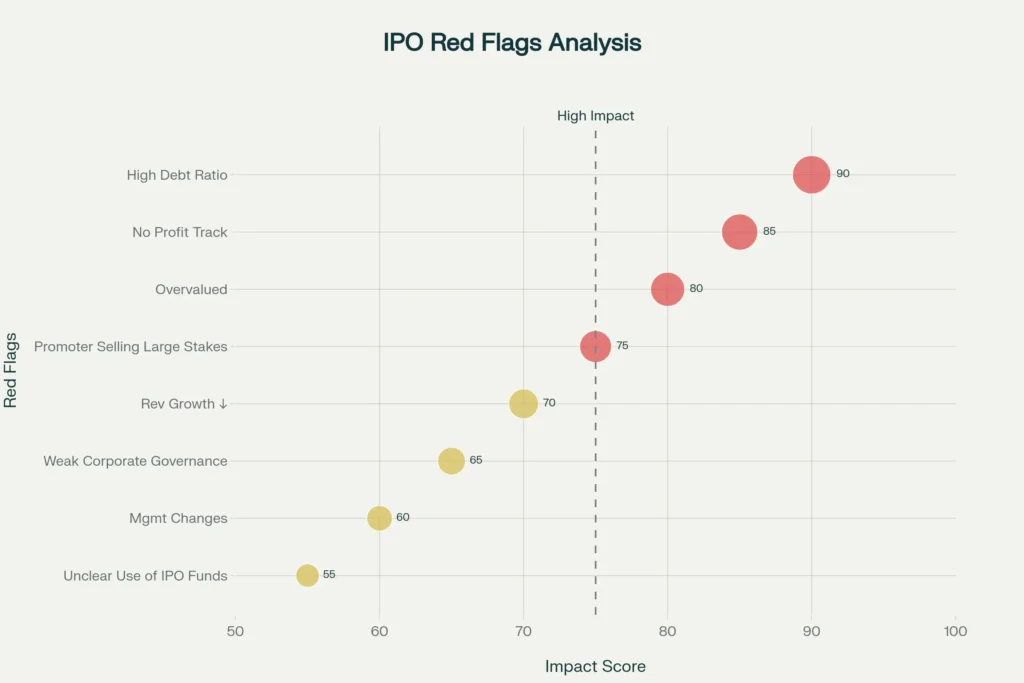
Importantly, identifying red flags can save you from significant losses. Moreover, certain warning signs consistently predict poor IPO performance.
Lack of Profitability Track Record
Particularly, companies without consistent profits pose higher risks. Moreover, startups burning cash without clear profitability paths require extra caution. Additionally, check if the business model can generate sustainable profits.
Excessive Debt Levels
Furthermore, companies with debt-to-equity ratios exceeding 2x deserve scrutiny. Specifically, high debt can cripple growth and strain operations. Moreover, interest payments can eat into profits significantly.
Promoter Stake Reduction
Additionally, when promoters sell large stakes during IPO, it raises concerns. Moreover, this might indicate lack of confidence in future prospects. Therefore, prefer IPOs where promoters retain significant ownership.
Data-Driven IPO Selection: What Recent Performance Tells Us
Based on recent market data, several patterns emerge clearly. Moreover, mainboard IPOs have averaged 45.76% listing gains compared to 5.23% for SME IPOs. Furthermore, this highlights the importance of category selection.
Additionally, companies in infrastructure, technology, and healthcare sectors have shown stronger performance. However, performance varies significantly even within sectors. Therefore, individual company analysis remains crucial.
Timing Your IPO Investments
Furthermore, market conditions heavily influence IPO performance. Specifically, bull markets typically see better IPO reception. Moreover, avoiding IPOs during market volatility often proves wise.
Additionally, subscription levels provide valuable insights. Specifically, moderate oversubscription (2-5x) often indicates healthy demand without excessive speculation.
Fundamental Analysis Framework for IPO Beginners
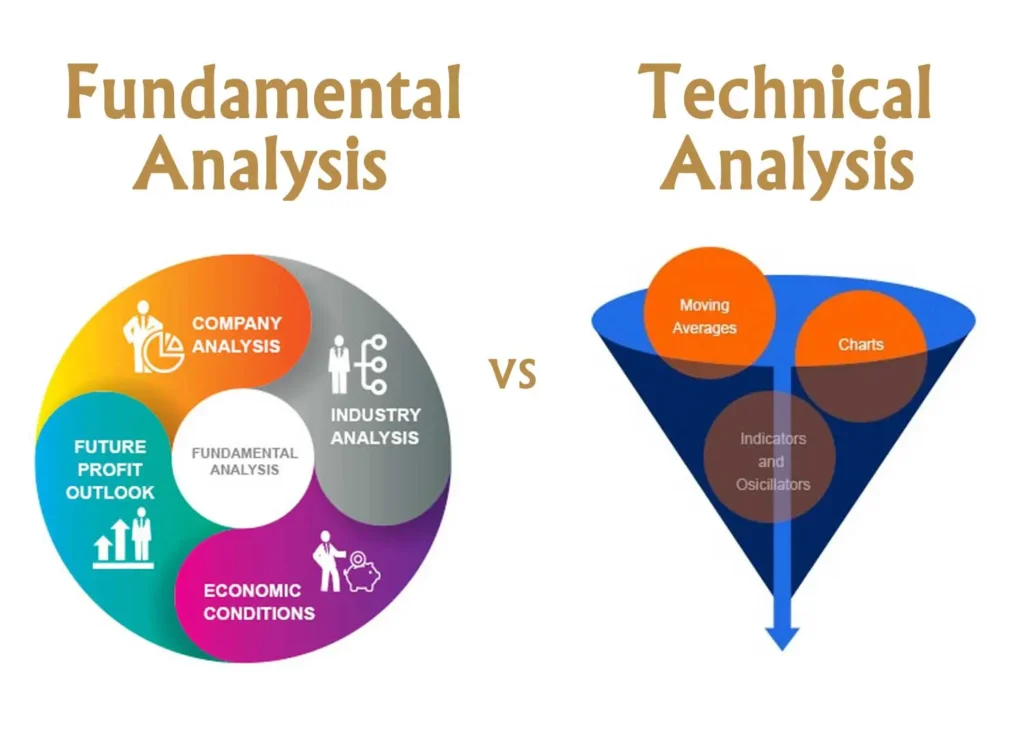
Systematically, follow this framework for every IPO evaluation. Moreover, this approach helps maintain consistency and objectivity.
Company Background Research
Initially, understand the business model thoroughly. Additionally, research the industry dynamics and competitive landscape. Furthermore, check management experience and track record.
Moreover, read the Draft Red Herring Prospectus (DRHP) carefully. Specifically, focus on risk factors and fund utilization plans. Additionally, verify if the proposed fund usage aligns with growth strategy.
Financial Health Assessment
Furthermore, analyze three years of financial statements. Specifically, look for revenue growth trends, profit margins, and cash flow patterns. Additionally, check working capital management and asset quality.
Moreover, calculate key ratios yourself rather than relying on broker reports. Subsequently, this gives you deeper insights into company fundamentals.
Common Beginner Mistakes and How to Avoid Them
Typically, beginners make predictable mistakes that hurt returns. However, awareness helps avoid these pitfalls. Therefore, let’s examine the most common errors.
Chasing Listing Gains Only
Unfortunately, many beginners focus solely on listing day profits. However, this speculation-based approach often backfires. Moreover, sustainable wealth creation requires long-term perspective.
Instead, evaluate companies based on business fundamentals. Additionally, consider holding good IPOs for several years. Furthermore, this approach typically yields better risk-adjusted returns.
Inadequate Research
Moreover, many investors apply for IPOs based on media hype alone. However, thorough research remains essential for success. Additionally, spending time on analysis pays significant dividends.
Furthermore, avoid following tips from unverified sources. Instead, develop your analysis skills gradually. Additionally, start with smaller amounts while learning.
Ignoring Valuation
Additionally, expensive valuations can hurt long-term returns despite strong businesses. Moreover, paying reasonable prices enhances your margin of safety. Therefore, always compare valuations with industry benchmarks.
Building Your IPO Investment Strategy
Consequently, successful IPO investing requires a structured approach. Moreover, developing a personal framework helps maintain discipline.
Portfolio Allocation
Initially, limit IPO investments to 10-15% of your total portfolio. Additionally, this helps manage risk while capturing opportunities. Moreover, diversify across different sectors and market caps.
Furthermore, never invest money you need within two years. Additionally, IPO investments require patience for optimal results.
Exit Strategy Planning
Moreover, decide your holding strategy before investing. Specifically, determine if you’re investing for listing gains or long-term wealth creation. Additionally, set clear profit-taking and stop-loss levels.
Furthermore, regularly review your IPO holdings’ performance against benchmarks. Subsequently, this helps improve your selection process over time.
Final Thoughts: Your Path to Successful IPO Investing
Ultimately, successful IPO investing combines thorough research with patient execution. Moreover, focusing on quality companies at reasonable valuations typically yields best results. Additionally, continuous learning and adaptation remain crucial for long-term success.
Furthermore, remember that not every IPO will be successful. However, a disciplined approach helps maximize your chances of positive outcomes. Therefore, start small, learn continuously, and gradually increase your expertise.
Most importantly, IPO investing should complement, not replace, your core investment strategy. Additionally, maintain proper diversification and risk management at all times.
You Might also find this post insightful – https://bosslevelfinance.com/robinhood-2025-growth-triggers-massive-breakout
Disclaimer: This analysis is for educational purposes only and should not be considered as investment advice. Moreover, stock markets are subject to risks and volatility. Additionally, past performance does not guarantee future results. Therefore, please conduct your own due diligence and consult with qualified financial advisors before making any investment decisions. Furthermore, the author and platform do not encourage specific buy, sell, or hold recommendations.
💡 Further Reading for Investors:
Want to master growth stock valuations and competitive moats?
Check out
The Intelligent Investor by Benjamin Graham – https://amzn.to/4huFG8x
One Up On Wall Street by Peter Lynch – https://amzn.to/4huFLJn
The Psychology of Money by Morgan Housel – https://amzn.to/4fWa9d2
Principles for Navigating Big Debt Crises by Ray Dalio – https://amzn.to/4fZGTCl
Sources:
- https://www.incredpremier.com/blogs-details/how-to-invest-in-ipo-essential-steps-and-key-insights
- https://www.screener.in/ipo/recent/
- https://www.mstock.com/articles/how-to-analyse-an-ipo
- https://mydhanush.com/blog/beginners-guide-to-ipo/
- https://www.investorgain.com/report/ipo-performance-history/486/
- https://yesinvest.in/knowledge-hub/online-share-trading/fundamental-analysis-for-stocks
- https://www.nirmalbang.com/knowledge-center/guidelines-for-investing-in-ipo.html
- https://www.kotaksecurities.com/investing-guide/ipos/long-term-strategy-for-ipo-investments/
- https://punjabandsindbank.co.in/content/asba-for-investors
- https://www.venturasecurities.com/blog/ipo-red-flags-how-to-spot-risky-new-listings-before-they-crash/
- https://www.mstock.com/articles/top-ipo-investment-tips-and-strategies
- https://investor.sebi.gov.in/ipo_through_asba.html
- https://www.stockopedia.com/academy/articles/avoiding-ipo-pitfalls-recognising-red-flags
- https://www.jainam.in/blog/ipo-investment-tips/
- https://www.jainam.in/blog/what-is-asba-ipo-application/
- https://www.angelone.in/knowledge-center/ipo/how-to-identify-red-flags-in-ipo-investments
- https://upstox.com/learning-center/ipo/ipo-for-beginners-and-how-to-choose-best-ipo-for-investment/article-577/
- https://www.hdfcbank.com/personal/invest/ipo-application-through-asba
- https://aliceblueonline.com/how-to-identify-red-flags-in-ipo-investments/
- https://www.icicibank.com/personal-banking/investments/asba
- https://www.5paisa.com/stock-market-guide/ipo/ipos-for-beginners
- https://support.zerodha.com/category/trading-and-markets/ipo/ipo-application/articles/how-to-apply-for-ipos-and-how-to-stay-informed-of-new-ones
- https://www.incredpremier.com/blogs-details/how-to-invest-in-ipo-essential-steps-and-key-insights
- https://www.screener.in/ipo/recent/
- https://www.mstock.com/articles/how-to-analyse-an-ipo
- https://mydhanush.com/blog/beginners-guide-to-ipo/
- https://www.investorgain.com/report/ipo-performance-history/486/
- https://yesinvest.in/knowledge-hub/online-share-trading/fundamental-analysis-for-stocks
- https://www.nirmalbang.com/knowledge-center/guidelines-for-investing-in-ipo.html
- https://www.screener.in/screens/889928/ipo-last-3-years/
- https://www.bajajfinserv.in/fundamental-analysis
- https://www.agssl.in/complete-guide-to-the-ipo-process-in-india-from-private-to-public
- https://www.nseindia.com/market-data/all-upcoming-issues-ipo
- https://www.investopedia.com/terms/i/ipo.asp
- https://navia.co.in/blog/exploring-ipos-in-india-a-beginners-guide-to-investment/
- https://www.research360.in/ipo/screener
- https://www.bajajbroking.in/blog/how-can-you-analyse-an-ipo
- https://www.pwc.com/us/en/services/consulting/deals/library/roadmap-for-an-ipo-a-guide-to-going-public.html
- https://www.5paisa.com/ipo/recently-listed-ipo
- https://www.angelone.in/knowledge-center/share-market/fundamental-analysis-tools
- https://ssrana.in/articles/the-initial-public-offering-ipo-process-in-india-a-comprehensive-beginners-guide/
- https://gitarattan.edu.in/wp-content/uploads/2022/04/Anusandhan-1-P6.pdf
- https://www.kotaksecurities.com/investing-guide/ipos/long-term-strategy-for-ipo-investments/
- https://punjabandsindbank.co.in/content/asba-for-investors
- https://www.venturasecurities.com/blog/ipo-red-flags-how-to-spot-risky-new-listings-before-they-crash/
- https://www.mstock.com/articles/top-ipo-investment-tips-and-strategies
- https://investor.sebi.gov.in/ipo_through_asba.html
- https://www.stockopedia.com/academy/articles/avoiding-ipo-pitfalls-recognising-red-flags
- https://www.jainam.in/blog/ipo-investment-tips/
- https://www.jainam.in/blog/what-is-asba-ipo-application/
- https://www.angelone.in/knowledge-center/ipo/how-to-identify-red-flags-in-ipo-investments
- https://upstox.com/learning-center/ipo/ipo-for-beginners-and-how-to-choose-best-ipo-for-investment/article-577/
- https://bankofindia.co.in/documents/20121/1686948/ASBA.pdf
- https://aliceblueonline.com/how-to-identify-red-flags-in-ipo-investments/
- https://www.hdfcbank.com/personal/invest/ipo-application-through-asba
- https://www.tradejini.com/blogs/5-red-flags-to-spot-while-picking-stocks
- https://www.5paisa.com/stock-market-guide/ipo/ipos-for-beginners
- https://www.icicibank.com/personal-banking/investments/asba
- http://www.primedatabasegroup.com/newsroom/M1911.pdf
- https://www.youtube.com/watch?v=7Vs7pByiv8U
- https://support.zerodha.com/category/trading-and-markets/ipo/ipo-application/articles/how-to-apply-for-ipos-and-how-to-stay-informed-of-new-ones
- https://blog.arihantcapital.com/the-biggest-mistakes-people-make-when-investing-in-an-ipo/
- https://aliceblueonline.com/top-financial-ratios-in-ipo/
- https://upstox.com/ipo/ipo-recently-listed/
- https://www.equentis.com/blog/know-the-top-5-ipo-mistakes-to-avoid/
- https://ipocentral.in/important-ratios-in-ipo-investing/
- https://wgconsulting.com/errors-during-an-ipo-and-how-to-fix/
- https://www.investopedia.com/financial-edge/0910/6-basic-financial-ratios-and-what-they-tell-you.aspx
- https://www.moneycontrol.com/ipo/
- https://www.etmoney.com/learn/stocks/6-ipo-mistakes-to-avoid/
- https://www.investopedia.com/terms/r/ratioanalysis.asp
- https://www.diligent.com/resources/blog/what-happens-when-your-ipo-fails
- https://groww.in/blog/financial-ratios-every-investor-should-know
- https://www.angelone.in/upcoming-ipo
- https://www.investopedia.com/investing/tips-for-investing-in-ipos/
- https://www.kotaksecurities.com/stockshaala/introduction-to-fundamental-analysis/financial-ratios-insights-from-financial-statements/
- https://zebralearn.com/schools/mastering-ipo-investing-a-step-by-step-guide-1/ipo-myths-mistakes-and-pro-tips/
- https://www.bajajfinserv.in/how-to-analyse-ipo